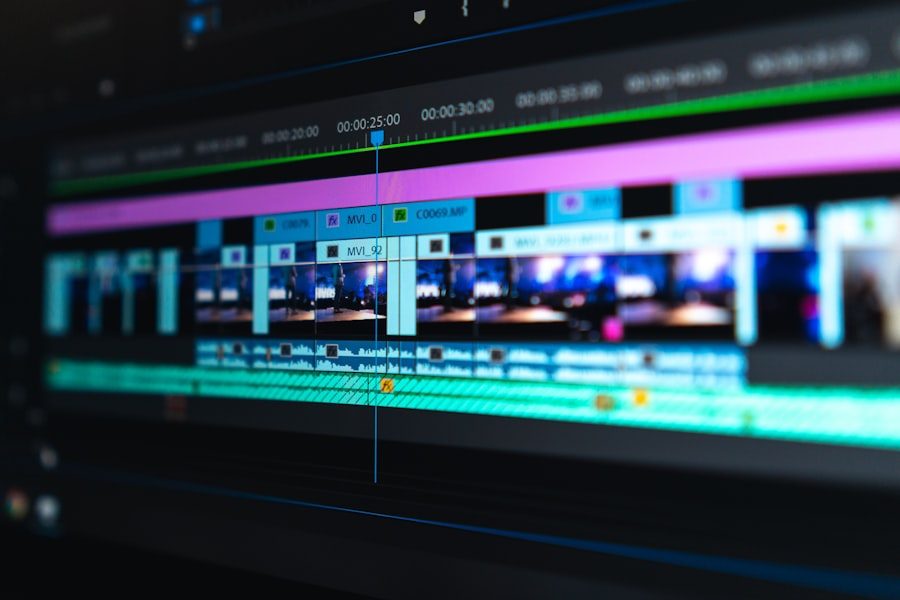
Pre-production
Script, storyboard & animatic
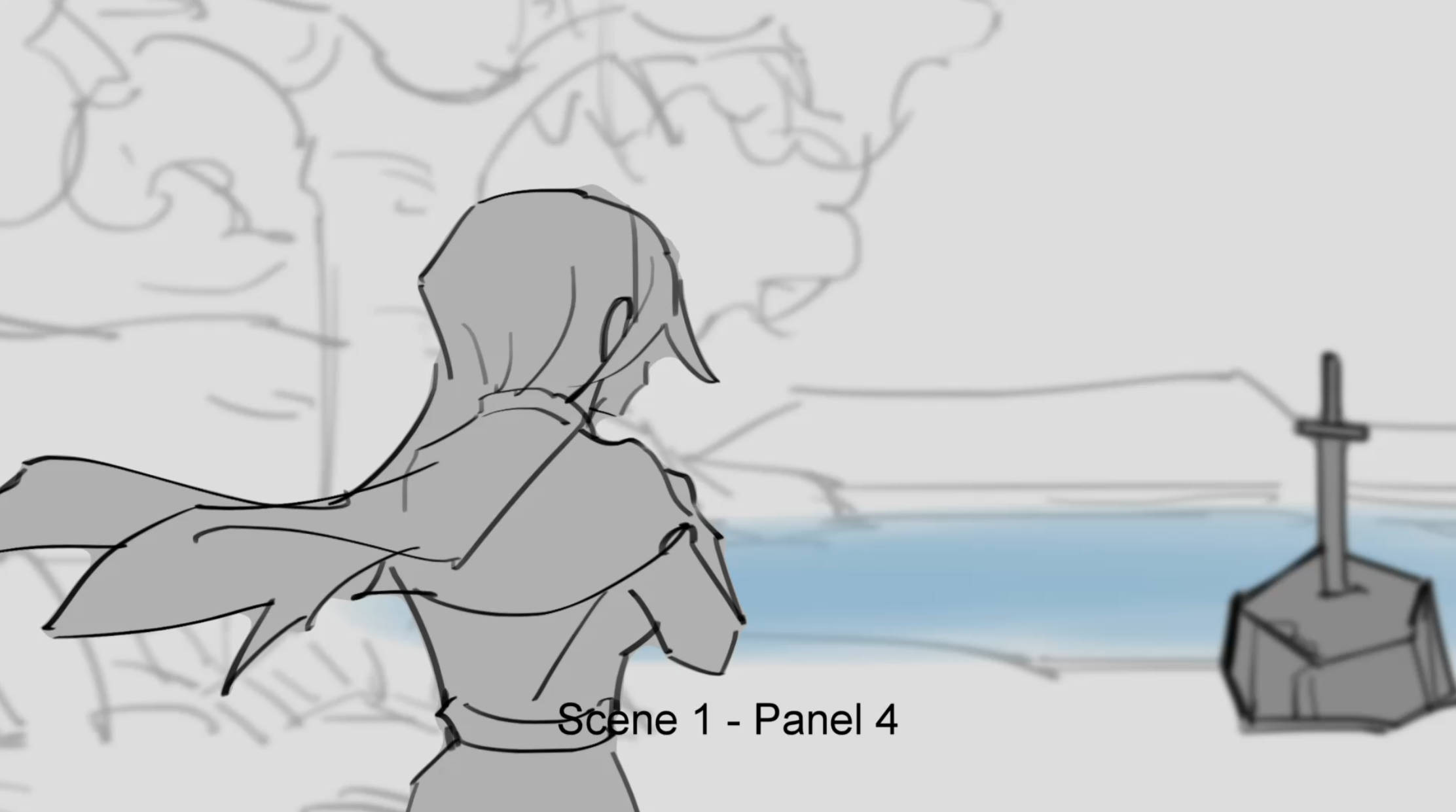
We need you to provide the script for your project. We then turn your script into a storyboard, planning the composition, character actions, and camera movement for each shot.
Next, we create an animatic by arranging the storyboard drawings into a timed video. This lets you review the pacing, shot lengths, and overall flow before animation production begins.
Character design
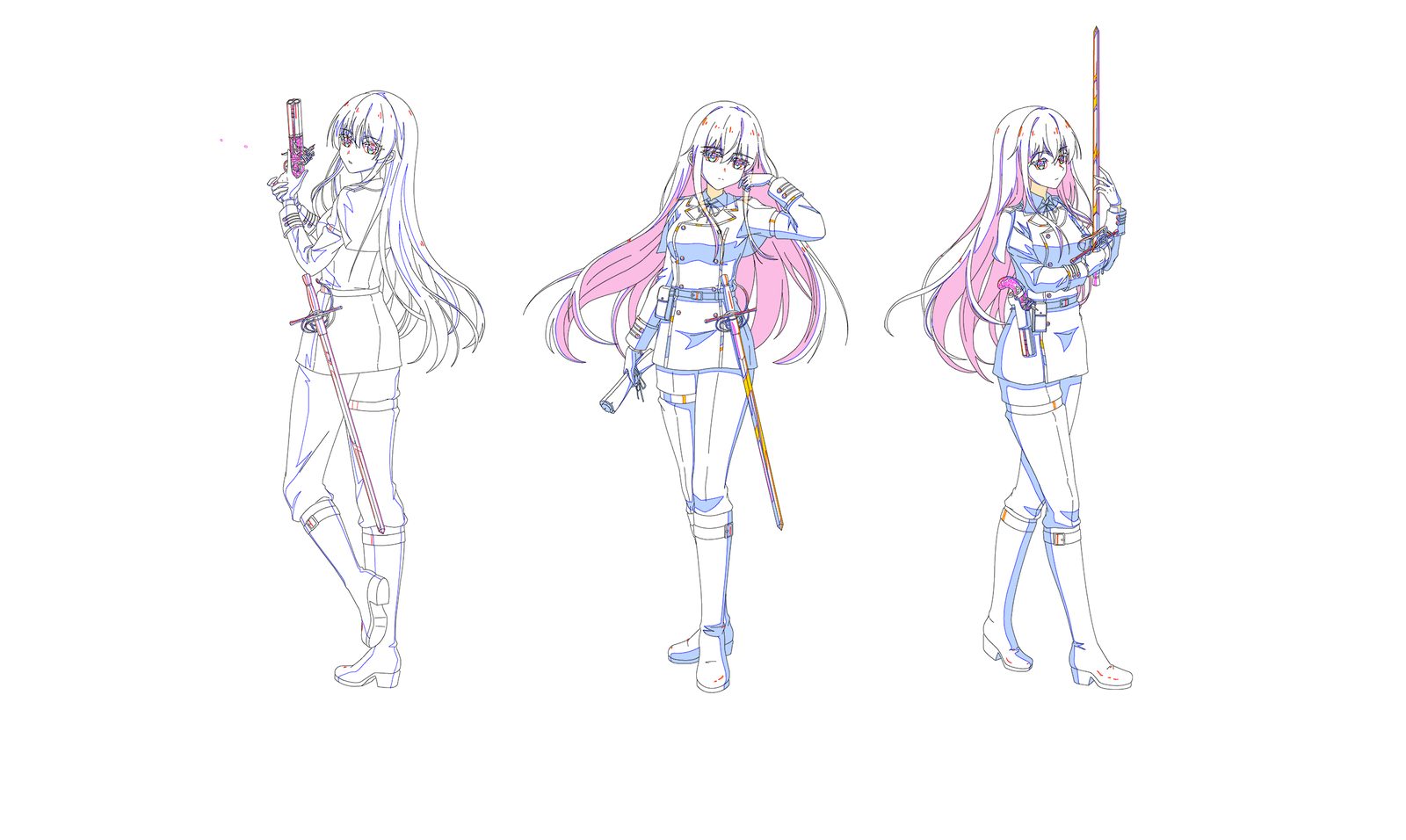
In principle, storyboarding and character design can progress in parallel. Character designs establish appearance, proportions, clothing, and expressions. Reference sheets help different artists draw the same character consistently throughout the animation.
Character design also includes defining the character's light and shadow areas, including the shapes and placement of cel-shaded shadows. These references show how the lit and shaded areas are separated, helping the animation team keep the character consistent across shots.
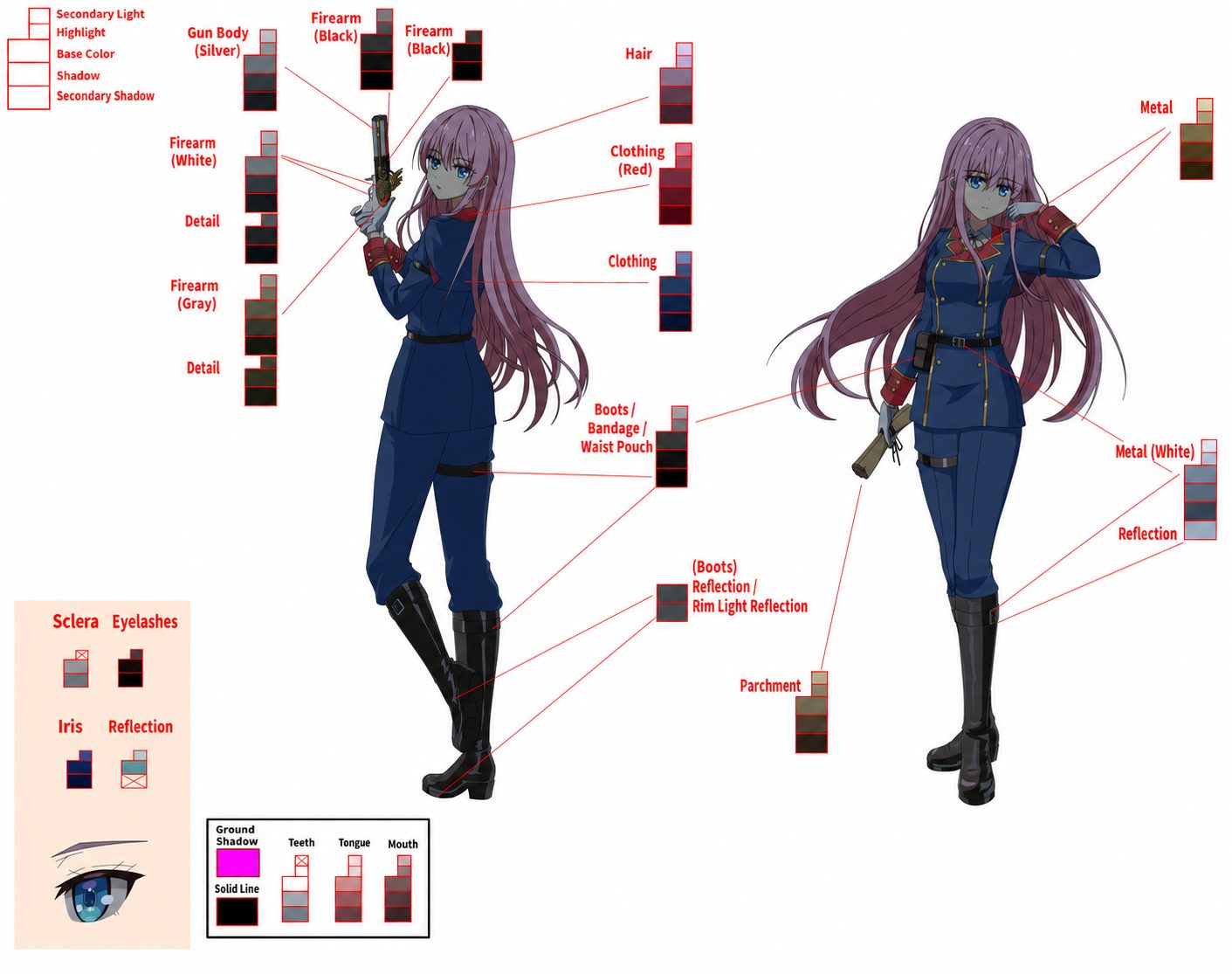
Colour references
Colour references are part of the character design. They define the colours for skin, hair, eyes, clothing, and accessories, including the colours used for shadows and highlights.
Art direction
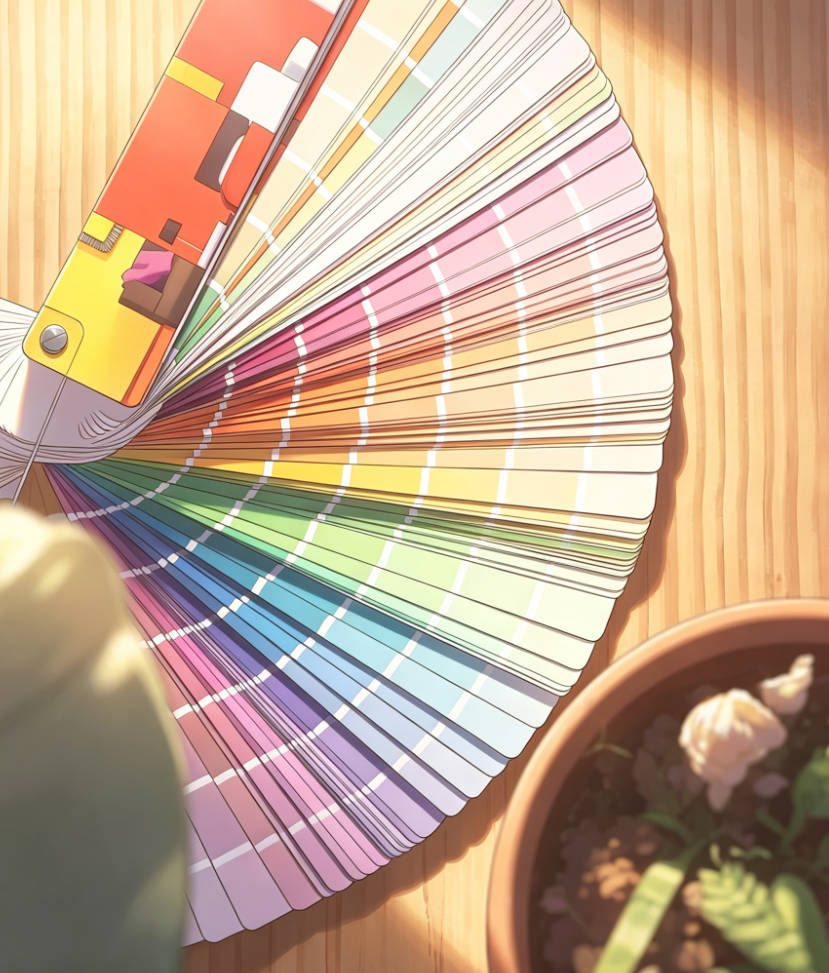
Art direction defines the overall visual style: colour, lighting, atmosphere, and the look of the environments. These references guide the background and compositing work that follows.
Production
Backgrounds
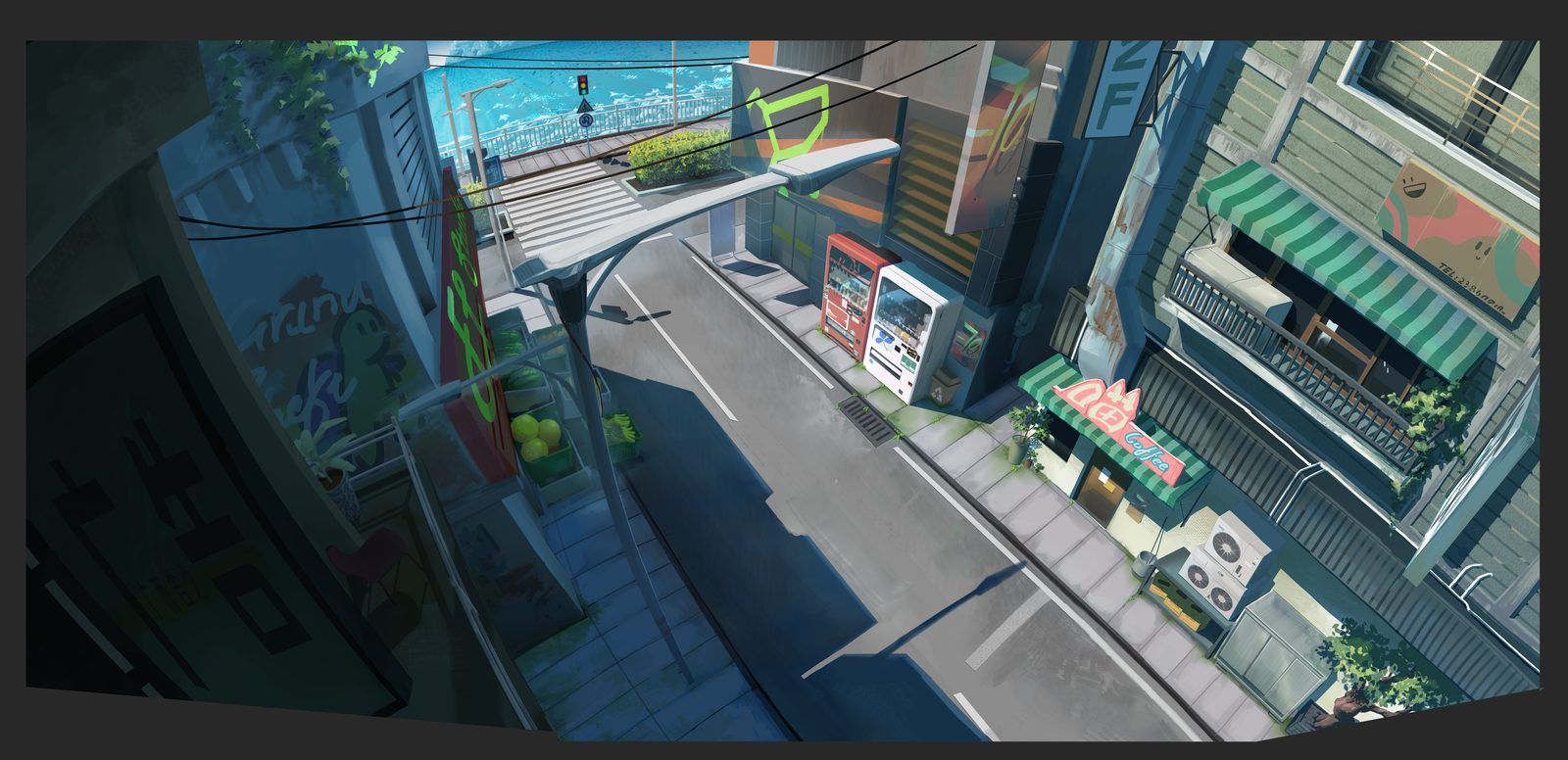
Background artists paint the environments for each shot using the approved layouts and art direction. Perspective, lighting, and colour keep the setting consistent with the characters and the story.
First key animation
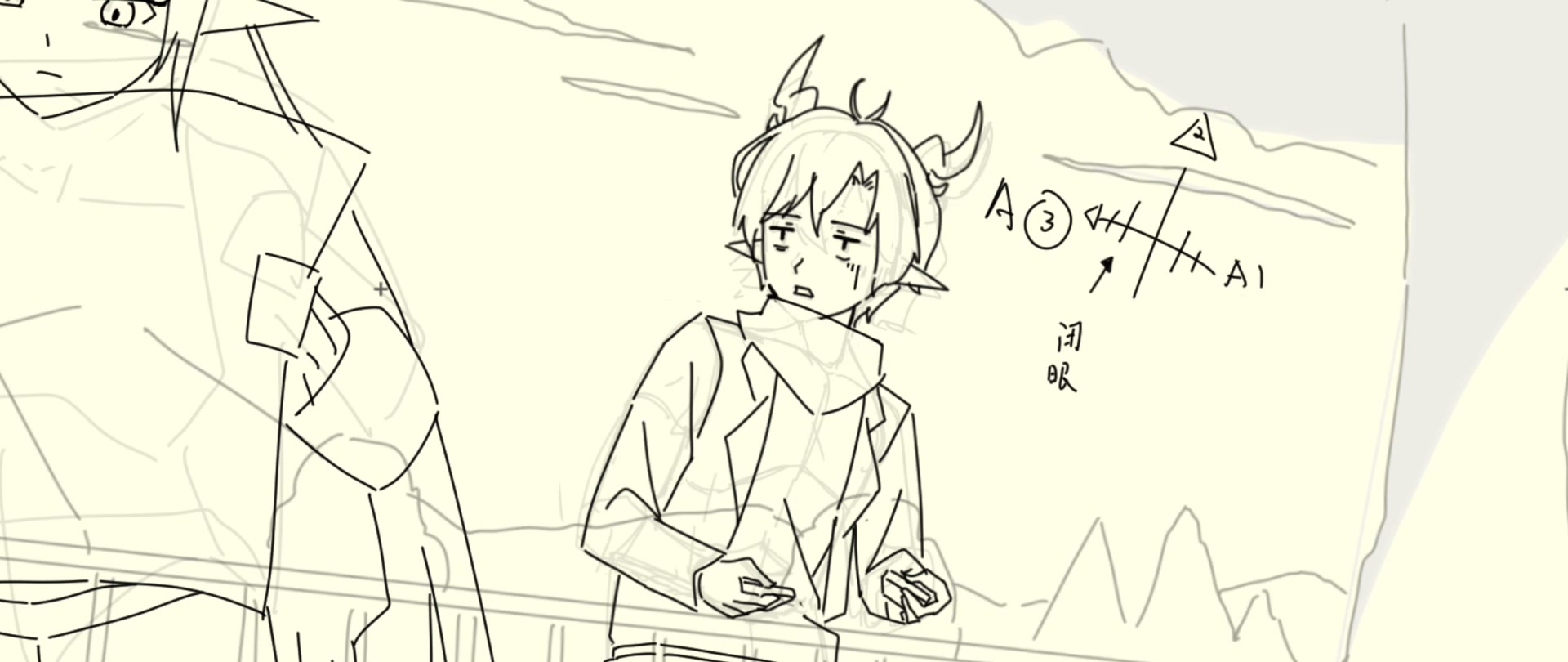
The first key animation pass establishes the essential poses, acting, composition, and movement. It gives the team a foundation for reviewing the shot before the drawings are refined.
This stage also includes direction and shot review. We guide and check character performances, movement timing, and camera work to make sure each shot conveys the intended emotion and follows the storyboard.
Second key animation
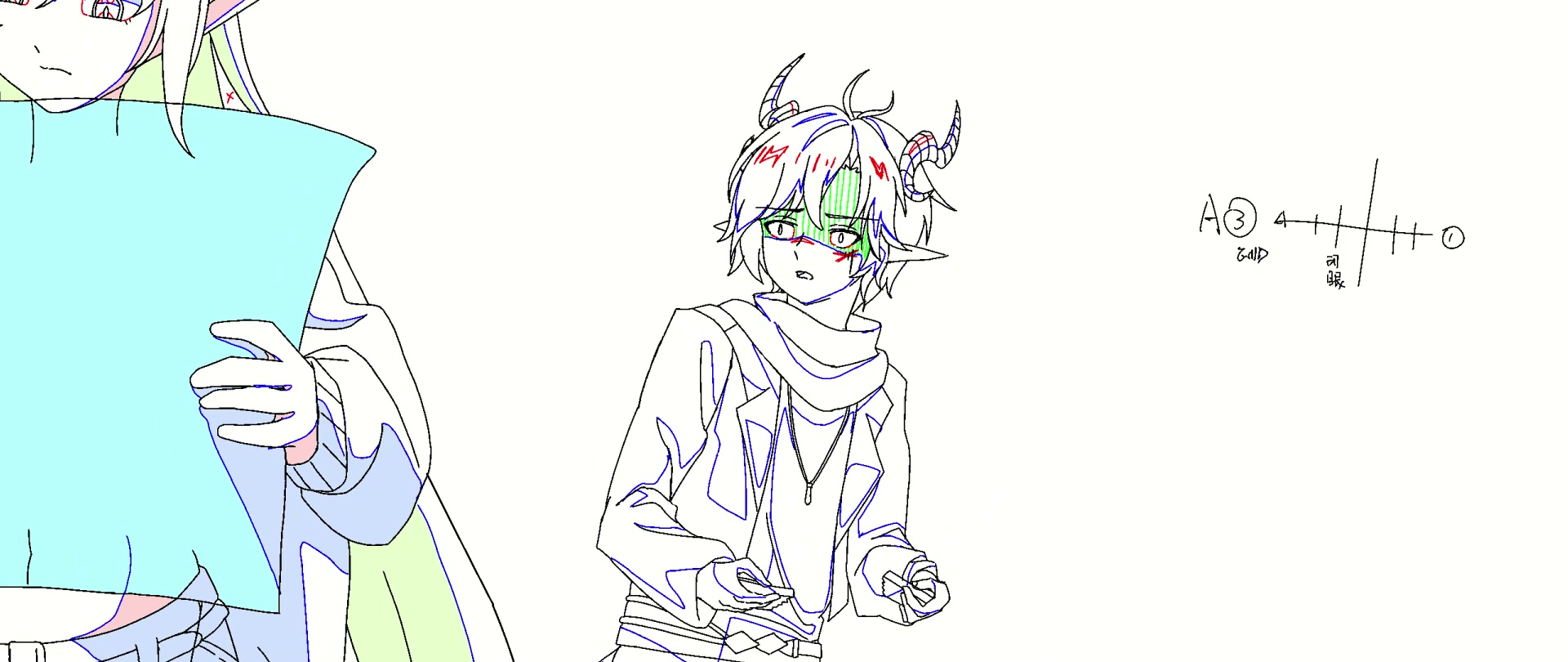
The second key animation pass refines the approved rough keys into more complete drawings.
In our workflow, this stage also includes drawing checks and corrections by the animation director. We review the completed drawings and correct facial features, body proportions, and other details to keep the characters consistent with their designs. The corrected drawings then become the reference for in-between animation.
In-between animation
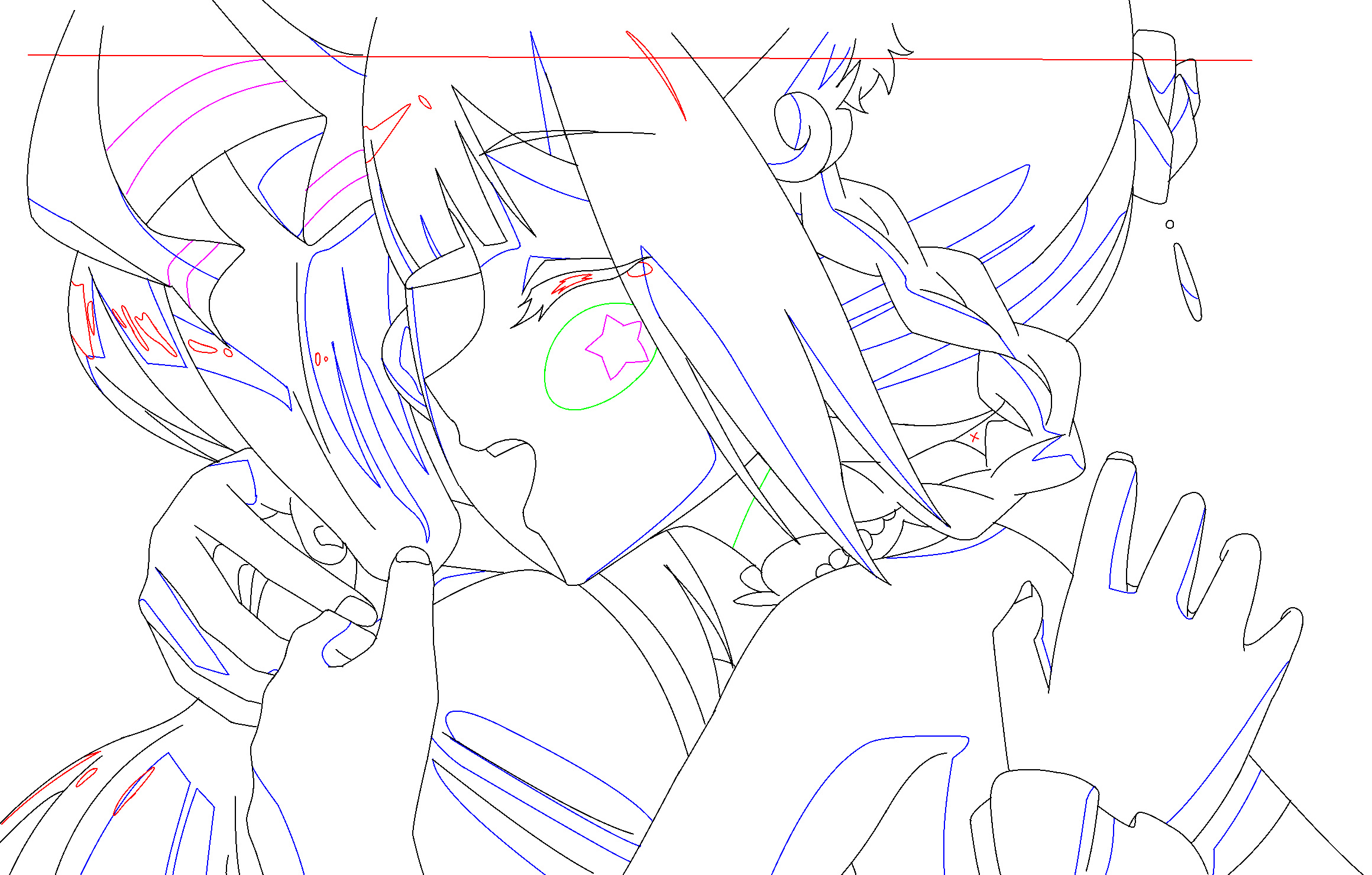
In-between artists draw the frames between the key poses and prepare consistent linework. Following the timing instructions turns separate poses into a continuous movement.
Colouring
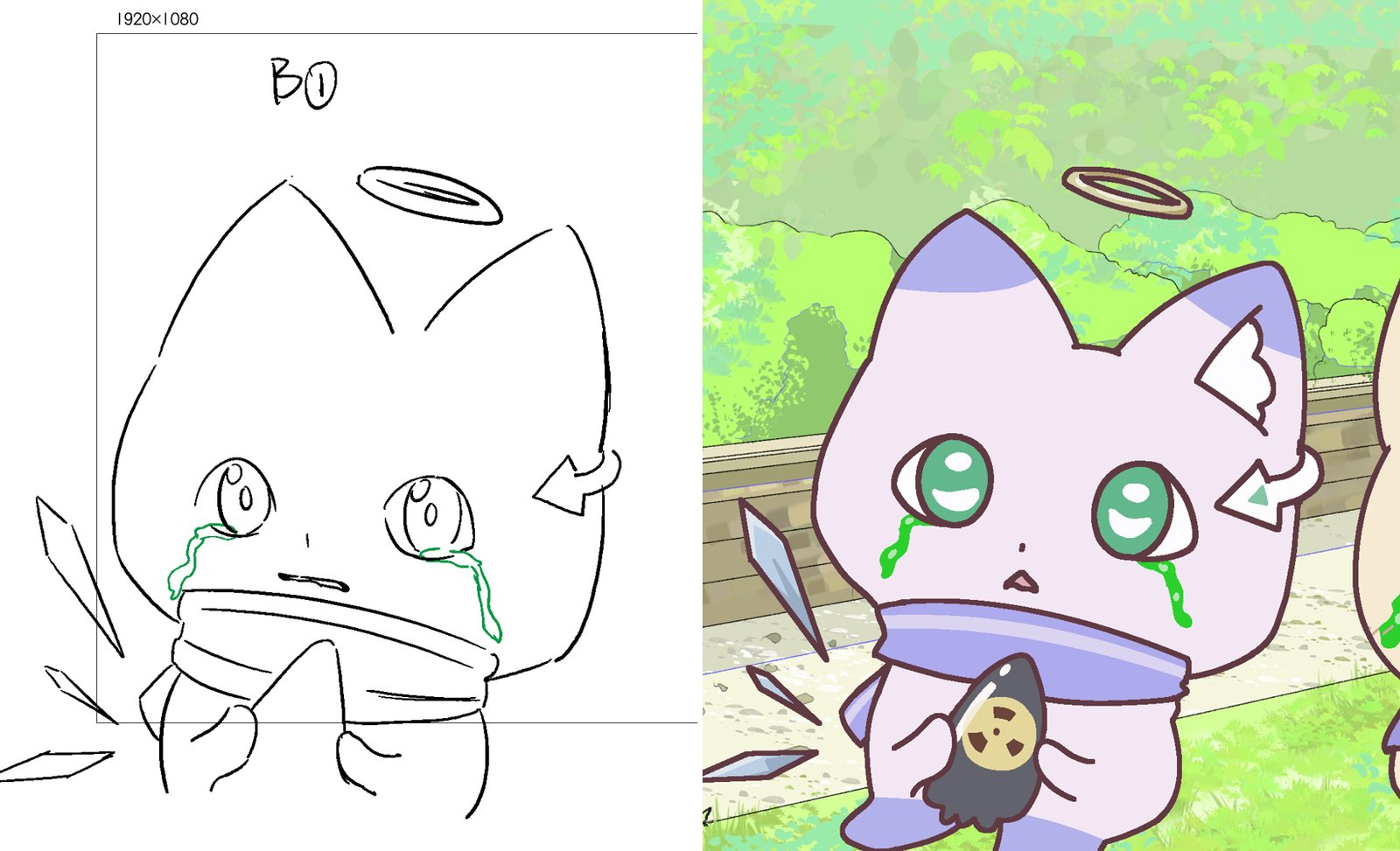
The finished line drawings are coloured using the approved palettes and colour instructions. Checks keep base colours, shadows, and highlights consistent from frame to frame.
Compositing
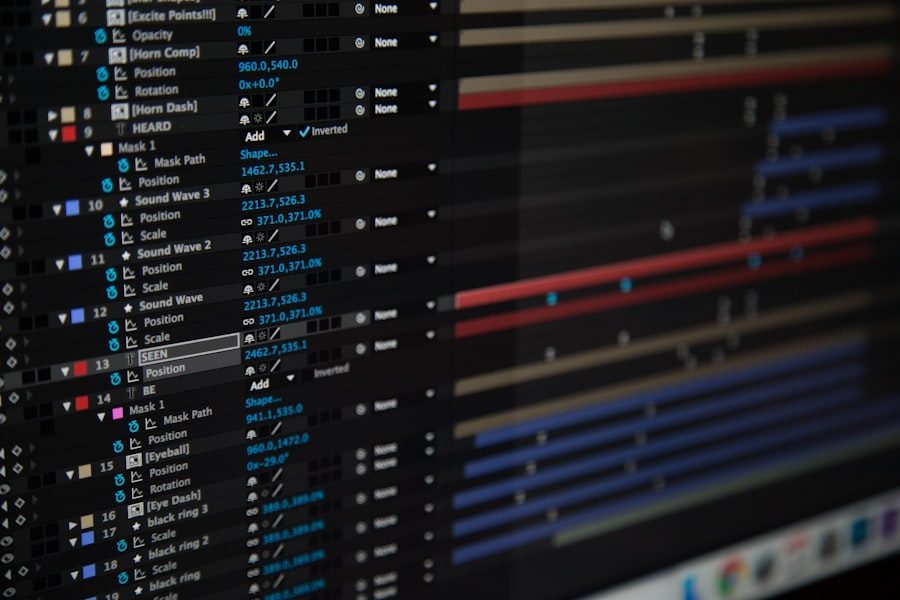
Compositing combines the coloured characters, backgrounds, and effects into a finished shot. Lighting, camera movement, and other visual adjustments bring the layers together.
Post-production
Music & sound effects
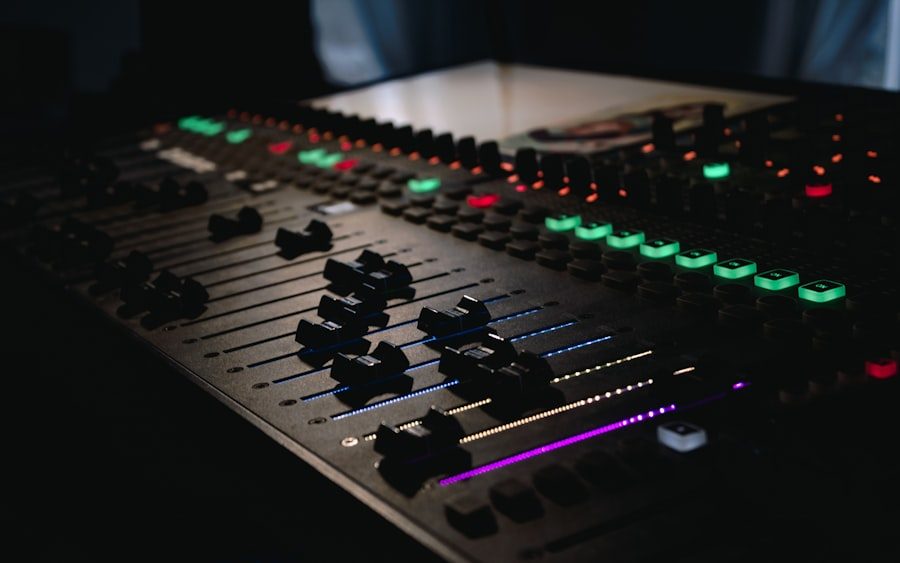
Music and sound effects support the mood, actions, and rhythm of the animation. The sound mix balances these elements so they work together with the finished visuals.
Editing
Editing assembles the finished shots and sound into the final sequence. The team checks transitions, pacing, and the overall flow before exporting the agreed delivery files.